
The thrill of a work-cation, blending work and travel, has gained popularity in remote work. To nail this lifestyle, careful planning is key. After working a few years while “on the road”, I have determined the top areas you must nail in order to be successful and enjoy your digital nomad journey.
In this article, let’s explore five crucial factors for seamlessly mixing work and leisure during your work-cation.
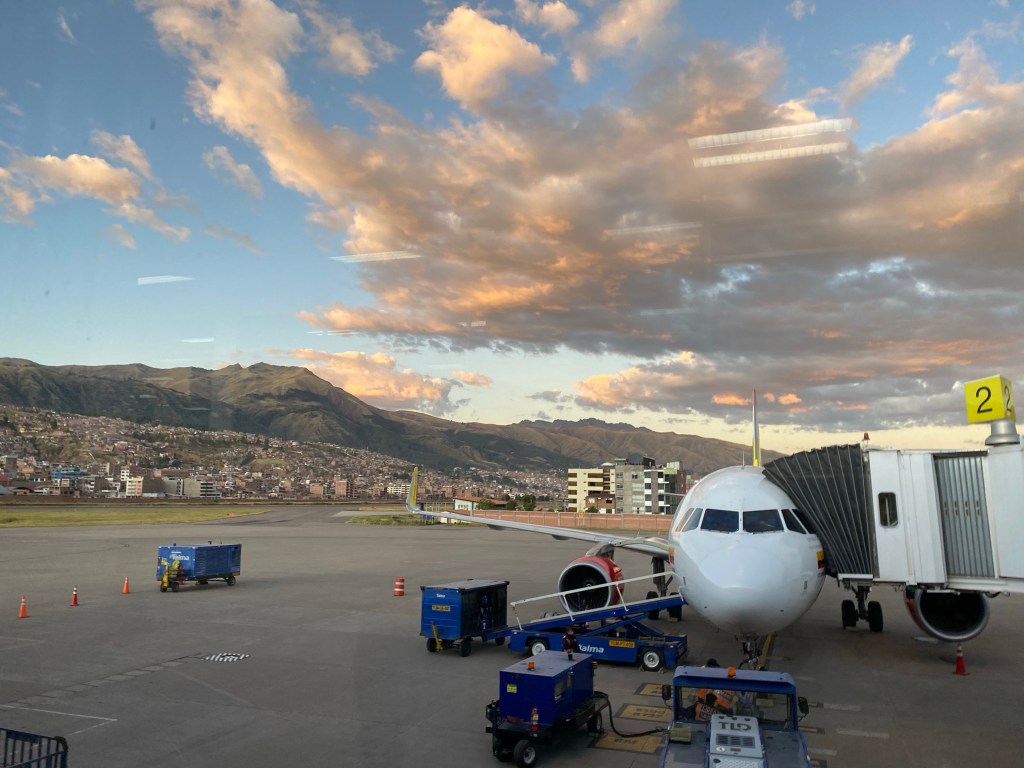
1. Plan Your Workload and Travel Itinerary: A work-cation needs detailed planning to balance productivity and exploration. Assess your workload, complete pending tasks, and slot in work into your travel plans. Track your work time, and create a schedule with dedicated periods for sightseeing, family visits, and work, ensuring a harmonious blend. While you may miss out on an exciting trip to a nearby town, or a random coffee shop visit, if you decide what is most important to you you should be able to balance both work and play easily.
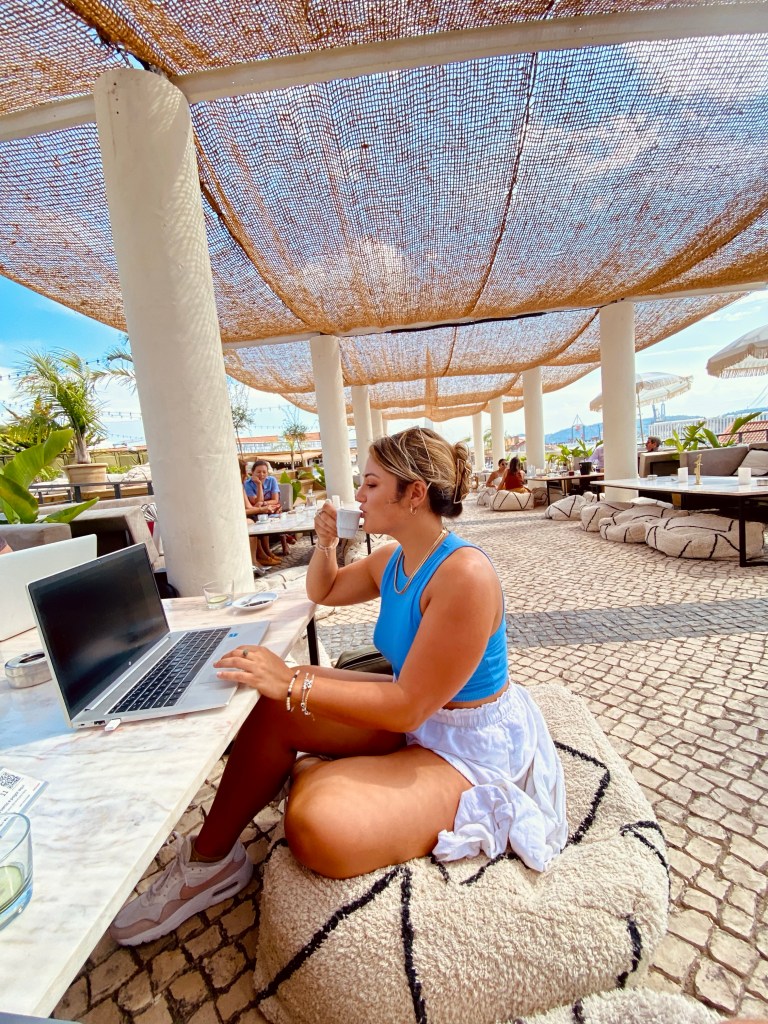
2. Choose the Right Work Space:
Not all workspaces are created equal. Before arriving at your destination, scout potential work spots that align with your productivity. Seek out an environment that energizes you, whether it’s a cozy coffee shop, a serene park, or a bustling coworking space. Transform this search into an exciting adventure, ensuring a conducive atmosphere for focused work. Personally, I like to maintain what I call my “holy trinity” by always ensuring I have three different work environments: where I’m staying, coffee shops/cafes, and a coworking space. This strategy seamlessly leads us in to the next point about securing a reliable internet connection.
In my experience, having a consistent place where you stay is essential, especially during meetings. Make sure it offers a comfortable spot for extended work sessions, perhaps with a nice view or an outdoor workstation. Realistically, even while traveling frequently, you’ll often find yourself working from “home.” On the other hand, coffee shops and cafes can be hit or miss due to various factors. In some popular digital nomad destinations, you may encounter signs proclaiming “no laptops” or “not for working,” even if you’re a paying customer (be particularly cautious if you’re in Portugal, as this practice is prevalent there). Additionally, outlet availability can be scarce, so it’s wise to explore several options in the initial days of your stay. Websites like nomadlist.com can provide valuable recommendations.
Another critical aspect to consider at coffee shops is the quality of the Wi-Fi, which might be insecure and slow. Always assess the speed before relying on it for work to avoid potential stress. Finally, coworking spaces are excellent options when working and traveling, especially if you plan to stay in a location for an extended period. While day passes are available, monthly memberships or prepaid visits often offer better cost efficiency. Keep in mind that these spaces can be extremely quiet, making them ideal for focused and quiet workdays. However, they may not be the best choice if you have frequent meetings, as call rooms may need to be reserved in advance or for an additional fee. Despite these drawbacks, coworking spaces provide opportunities to connect with individuals—both local and foreign—who share similar lifestyles and schedules.
3. Ensure Internet Security and Connectivity:
Demonstrating reliability to your employer or clients, regardless of your location, holds immense importance. While some opt for hotspots like Starlink or various internet providers, the general consensus revolves around their expensive nature and unreliability. Instead, prioritize securing accommodation known for its dependable connectivity. Numerous travel groups, such as Hacker Paradise, Remote Year, and Wifi Tribe, assure a reliable work environment. Alternatively, consider places tailored for remote workers, equipped with coworking spaces and mostly dependable internet, such as Selina or my personal favorite, Outsite. If relying on Airbnbs, proactively inquire about the wifi with your host and scrutinize reviews. Additionally, always have backup options in the vicinity for any unforeseen wifi emergencies.
4. Pack Smart for Your Portable Office:
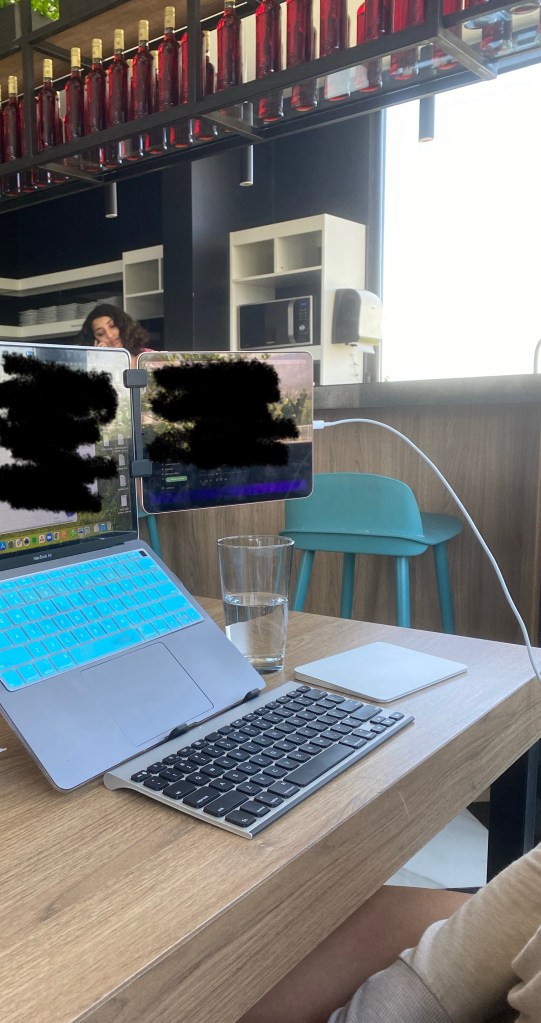
Creating a functional mobile office demands strategic packing. Ensure your essentials are in check—laptop, noise-canceling headphones with a microphone (a necessity in bustling coffee shops or public spaces), a wireless mouse, and a laptop stand. Don’t forget the backup device and webcam-friendly attire, crucial for unforeseen work-related situations.
Your choice of a day-to-day backpack is equally vital. Opt for something secure, comfortable, and somewhat discreet. There have been numerous instances where I found myself in a restaurant post-work or navigating through less secure areas with my entire work setup. The key is not to stand out. Additionally, consider protection from the elements, as your work equipment is among the most critical items when traveling. Losing or damaging them could potentially cut short your trip. I usually stash a wrinkle-free button-up in my work backpack for unexpected video calls. It has saved me countless times when I thought I could get away with just a small tank top or after a yoga session in my sports bra while working outdoors. Remember, being prepared goes a long way in ensuring a smooth work-cation experience.
5. Manage Time Zone Differences:
Navigating a different time zone while working introduces its own set of challenges. To navigate this seamlessly, stay abreast of company expectations, leverage tools like World Time Buddy to coordinate overlapping hours, and become adept at asynchronous communication. Effective cross-time zone communication fosters enhanced collaboration during your work-cation.
A personal tip I swear by is aligning my work computer with the time zone I’m operating in. This practice ensures easy adherence to the local time zone when scheduling meetings with clients and coworkers. Additionally, it’s crucial to familiarize yourself with the time zones of your destination beforehand. Some places, seemingly not too far off, can turn out to have a more significant time difference than expected. This awareness is particularly important when planning to work from coworking spaces or cafes, especially if their operating hours vary significantly—keeping in mind that they might not be viable options if the time differences are substantial.
By carefully planning and taking into account these five factors, you can truly master the art of the digital nomad lifestyle, whether it’s for a month or the foreseeable future. Seize the freedom that remote work offers, venture into new destinations, and optimize your professional and personal pursuits on the road. A well-executed plan ensures a fulfilling experience, enabling you to relish every moment. Wishing you safe and delightful travels!

 Shelby Goes